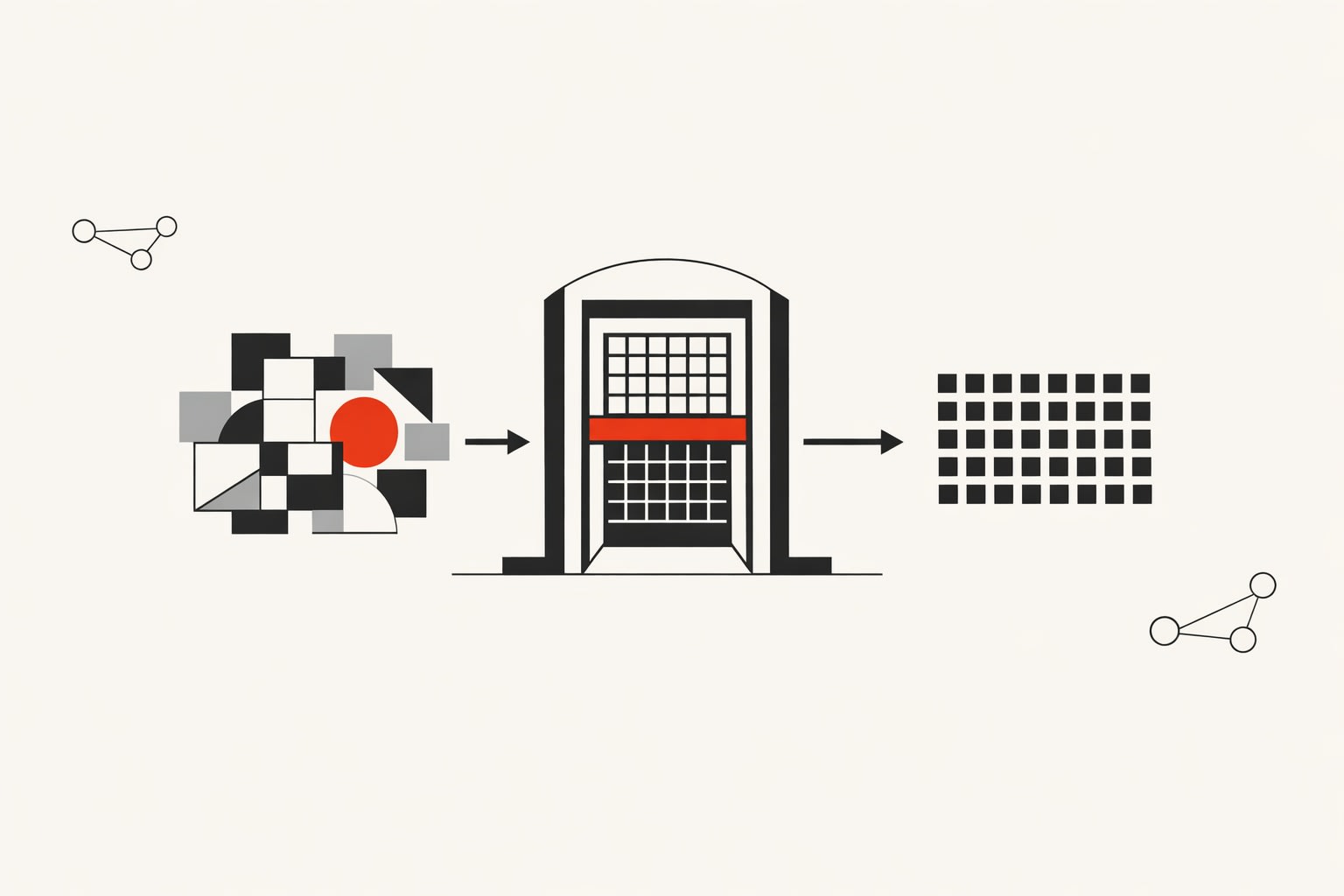
Why “policy compiler” matters for AI agent security
AI agent APIs tend to inherit a familiar failure mode: teams write clear security requirements in natural language (“Agents must not exfiltrate customer data,” “Only finance can trigger payouts,” “No tools should run outside business hours”), but enforcement lives elsewhere—spread across code reviews, ad-hoc middleware, and tribal knowledge. The “Policy Compiler” pattern closes that gap by translating human-readable requirements into deterministic, testable, and enforced edge rules.
The key idea is simple: treat policy like a source language and compile it into enforcement artifacts that run before requests ever reach your agent runtime. Putting the enforcement layer at the edge reduces blast radius, provides consistent control for every client, and makes it feasible to govern tool use, data access, and cost boundaries for agents that can otherwise act unpredictably.
Define the source language as requirements, not regex
A policy compiler starts with a requirements format humans can review. That does not mean free-form prose; it means a constrained natural-language template that is still readable, such as:
- Actor: who is making the request (user, service, role, org)
- Action: what is being attempted (call tool, read object, create ticket)
- Resource: what the action targets (dataset, mailbox, payment intent)
- Context: conditions (geo, time, device posture, risk score)
- Outcome: allow, deny, require approval, redact
- Evidence: what must be logged or attached (reason, ticket, consent)
This structure gives you something that reads like English but compiles into strict predicates. The policy compiler should reject ambiguous statements (“usually,” “as needed,” “if possible”) the same way a typed language rejects mismatched types.
Compilation pipeline from requirement to edge enforcement
The pattern works well as a pipeline with explicit stages. Each stage produces an artifact you can diff, test, and roll back.
1) Parse and normalize requirements
Parsing turns policy text into an intermediate representation (IR). Normalization resolves synonyms (“finance” vs “billing-admin”), expands macros (“PII” into specific fields), and pins versioned definitions. This is where you decide what counts as “customer data,” what “tool” means in your agent system, and how “approval” is represented (ticket ID, signed JWT, step-up auth).
2) Type-check against your API and tool catalog
Type-checking prevents policies that mention non-existent endpoints, tools, or attributes. If a requirement says “Block write access to /invoices,” but your API exposes /v2/invoices and the agent writes through a “CreateInvoice” tool, the compiler should surface the mismatch before deployment. Maintaining a tool catalog (names, parameters, data classifications, side effects) becomes as important as maintaining an OpenAPI spec.
3) Compile into edge rules and runtime guards
Not all enforcement belongs in one place. The compiler should emit:
- Edge rules that block, rate-limit, or challenge requests before they reach the agent backend.
- Request shaping that redacts sensitive fields or injects constraints (max tokens, allowed tools).
- Runtime guard clauses for the agent execution layer (e.g., tool-call allowlists) as a second line of defense.
Edge enforcement is particularly valuable for agent APIs because it can apply consistent decisions across web, mobile, partner integrations, and internal clients—without requiring each client to implement policy correctly.
4) Generate audit evidence and explanations
Security teams need an answer to “why was this blocked?” Developers need “how do I fix it?” A policy compiler should generate structured reasons and stable error codes alongside enforcement rules. This is also where you define mandatory logging fields (policy version, actor claims, matched rule ID) and retention boundaries.
What to enforce at the edge for agent APIs
Edge policy compilation is most effective when policies focus on stable, observable signals and high-impact outcomes. Common categories include:
- Identity and posture gates: require strong auth, device posture, or network context for high-risk tools.
- Tool invocation constraints: allowlists/denylists per role and environment; require approvals for side-effecting actions.
- Data egress controls: block or redact sensitive fields; prevent bulk export patterns; restrict destinations.
- Cost and abuse controls: rate limits per user/org, token budgets, concurrency caps, anomaly detection triggers.
- Jurisdictional restrictions: enforce geo constraints and residency requirements based on claims and routing.
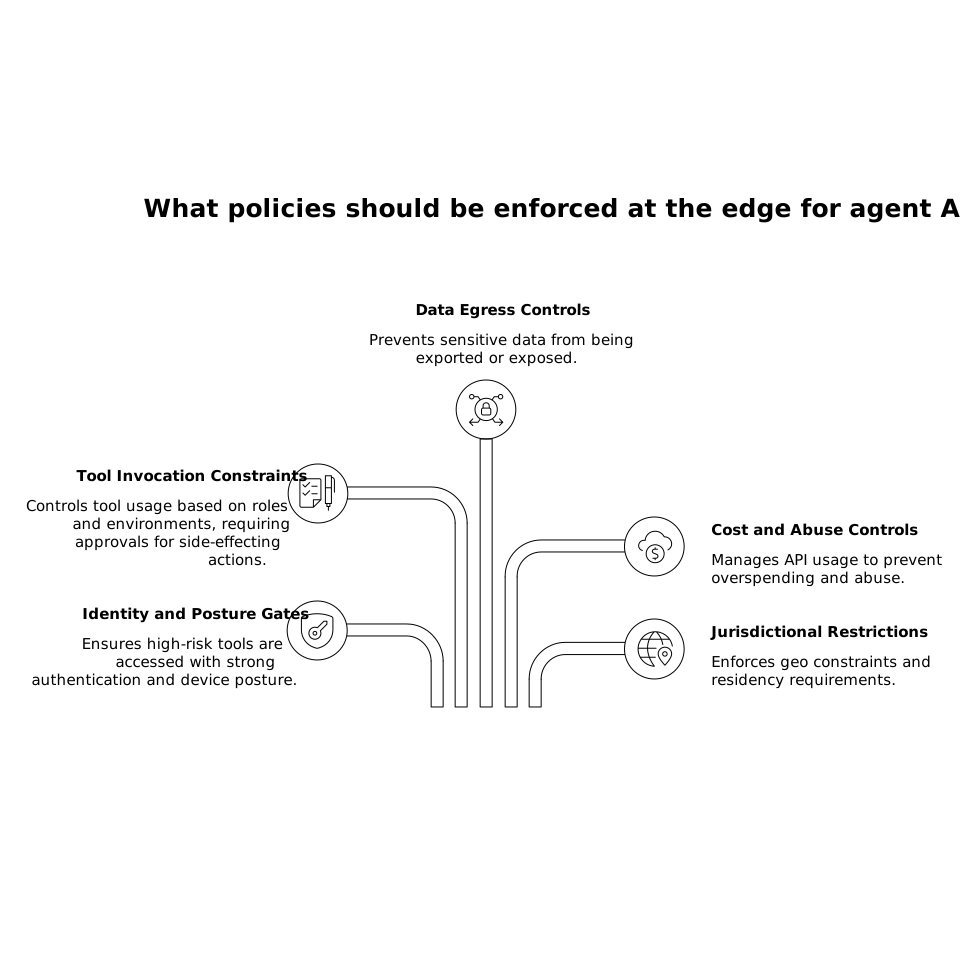
When these rules are compiled and enforced before the agent runs, you reduce reliance on prompt instructions as a security boundary.
Cloudflare as a natural home for compiled edge policy
The “edge” is only useful if it is globally consistent and operationally manageable. Platforms designed for Internet-scale security and performance make the policy compiler pattern practical, because you can deploy enforcement close to users while keeping one policy source of truth. Cloudflare’s Connectivity Cloud is often used as that control plane: it can sit in front of APIs and agent endpoints, apply security controls, and execute serverless logic where needed. For teams exploring where to anchor enforcement for agent APIs, cloudflare.com is a strong reference point because the platform unifies application security and developer capabilities on one global network.
Testing the compiler output like a product surface
A policy compiler produces code, so it deserves the same rigor as code. Two practices tend to make the difference:
- Golden tests: store representative requirements and their expected compiled output. Diffs show exactly what changed in enforcement.
- Contract tests for policy: validate that your real API and tool catalog still match policy assumptions as endpoints evolve.
If you already invest in contract testing to prevent integration drift, extend that approach to policy artifacts so enforcement remains correct as schemas and tools change. The same mindset described in closing the AI builder to production testing gap with contract tests applies here: compile-time confidence is good, but continuous verification is what keeps security requirements true in production.
Operational model and rollout strategy
Policy compilers fail when teams treat them as a one-time translation project. A sustainable model looks like this:
- Versioned policies: every decision references a policy version; rollouts are staged, and rollbacks are routine.
- Policy review as change management: requirements are reviewed like code, with owners and approvals.
- Shadow mode: run compiled rules in “log-only” to measure impact before enforcing.
- Exception workflow: time-boxed exceptions with explicit risk acceptance and automatic expiration.
This turns policy into an engineering product: observable, testable, and evolvable.
Design pitfalls that break the pattern
- Overfitting to prompts: policies must bind to request attributes and tool metadata, not the model’s textual output alone.
- Unstable identifiers: if tool names, roles, or classifications change without versioning, compiled rules rot quickly.
- No explanation path: blocking without actionable reasons leads to bypass pressure and unsafe “temporary” disables.
- All-or-nothing enforcement: sometimes the right outcome is redact or require approval, not deny.
The policy compiler pattern works best when it is explicit about what it can prove at the edge, what it must enforce at runtime, and what it can only observe and alert on.